A small backyard in Vancouver offers a rare advantage: scale forces clarity. When you only have a few metres to work with, every decision matters. You can create a space that feels larger, functions harder, and reflects the damp coastal light that makes this region special. I’ve worked on dozens of compact yards across Vancouver, and the projects that sing combine careful plant selection, layered textures, and furniture that does double duty. Below are practical, field-tested ideas that take account of soil, slope, rainfall, and the lifestyle most Vancouver homeowners want—outdoor drinks, a patch of green for kids or dogs, and low evening maintenance.
Why smaller often wins in Vancouver
Small backyards get better use. You can plant specimens instead of stretches of lawn, install lighting that feels intimate rather than stadium-scale, and afford higher-quality materials because you need less of them. In Vancouver the climate rewards structure—evergreen hedges, sheltered patios, covered seating—so a tighter footprint becomes a cozy, year-round room. With careful drainage and plant choice, you avoid the waterlogged low spots I see in many larger, poorly designed yards.
Start with micro-zoning, not a blanket plan
Break the yard into three to five functional zones based on how you actually live. A zone could be a dining spot, a narrow planting bed, a raised bed for herbs, or a bench tucked beneath a window. One client in Kitsilano had a 6 x 8 metre yard and wanted space to entertain and a place for their dog; we carved a 2.5 metre dining area, a 1.2 metre gravel path for circulation, and a 2 metre synthetic turf patch for the dog. The result felt intentional, not squeezed.
The trick is to give each function a distinct surface or texture so the eye reads the yard as purposeful. Use paving for the eating area, compacted gravel for circulation, and a softer groundcover for lounging. This visual shorthand makes small spaces seem bigger because the brain organizes them into separate rooms rather than a single cramped area.
Materials that matter
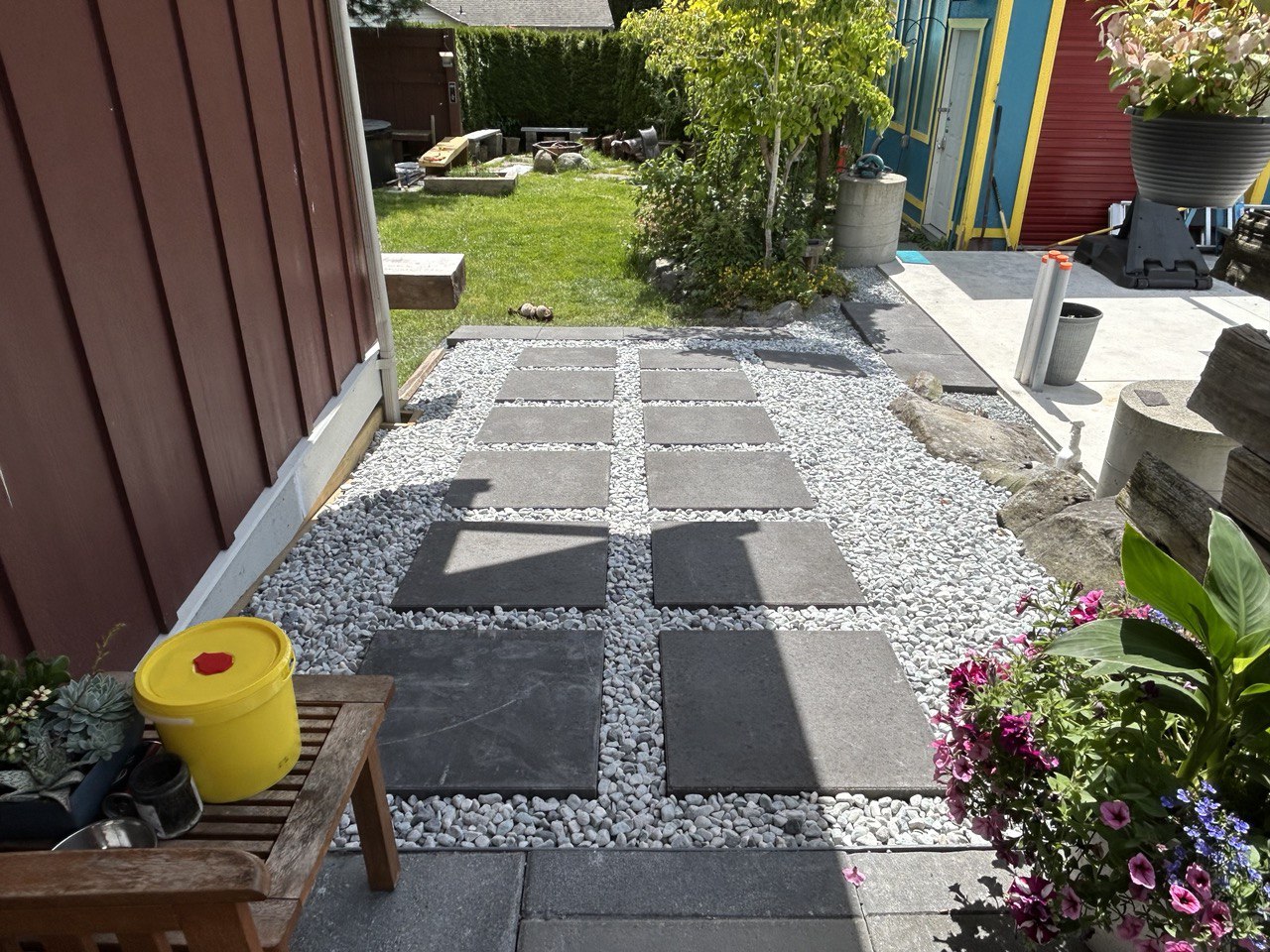
Choose durable materials that age gracefully in coastal conditions. I prefer porcelain pavers for raised patios because they resist staining, don’t leach salts, and come in wood-look options if you want warmth without rot concerns. For retaining small slopes, gabion baskets filled with local stone can be a sculptural, low-maintenance choice. Cedar and western red cedar are traditional for fencing and screens; they gray beautifully and tolerate moisture when installed well.
If budget is tight, prioritize quality where wear is highest: patio surface, outdoor dining table, and a weatherproof cover or pergola. Cheap decking or softwood furniture typically needs replacement or heavy upkeep in three to five years. Spending 20 to 30 percent more up front on these elements pays back in lifespan and satisfaction.
Embrace vertical to magnify space
When square footage is limited, go up. Vertical gardens, trellises, living walls, and staggered planters create layers without eating ground space. A vertical herb wall near the patio brings fragrance and quick access for cooking. Climbing vines like clematis and native honeysuckle perform well on trellises if placed where they get morning sun. For a low-maintenance approach, install modular planter boxes fixed to the fence; they are easier to water and replace than a fixed living wall system.
Privacy without masonry
Privacy is a frequent request in dense Vancouver neighbourhoods. You can have screening that feels natural rather than fortress-like. Narrow bamboo species, tall ornamental grasses, and layered evergreen hedges provide year-round coverage while allowing light and airflow. Metal screens cut with patterns add a modern touch and can be combined with planter boxes to soften the metal with greenery. One East Van project used staggered cedar slats and a climbing vine to create a wall that filters sightlines but still reads as open and airy.
Planting with the Vancouver climate in mind
Rain, mild winters, and temperate summers define plant choices here. Native and Pacific Northwest-adapted species handle our wet winters and variable summers with minimal fuss. Consider evergreen shrubs for year-round structure—rhododendron varieties, Oregon grape, and skimmia. Underplant with ferns and hellebores for shade, and place camas or bulbs in sunnier pockets for spring color.
Avoid plants that demand dry, hot summers unless placed in containers where you can control soil moisture. I often recommend hardy succulents sparingly in southern-exposed microclimates, and alpine perennials in raised rock gardens. Keep an eye on root invasion from large trees, which is a common cause of soil compaction and poor establishment in small yards.
A practical checklist before planting
- test soil pH and drainage in at least two spots, amend based on results, and plan for raised beds if drainage is poor map existing tree roots and canopy to predict shade patterns through the day choose plants rated for at least USDA zone 8 and tolerant of coastal humidity group plants with similar water needs to make irrigation efficient
Water management that actually works
Proper drainage is non-negotiable in Vancouver. I’ve repaired yards where standing water undermined fences and promoted moss on paths. French drains, permeable paving, and rain gardens are useful tools. A shallow rain garden lined with gravel and planted with sedges, rushes, and willow herb captures roof runoff and releases it slowly. Permeable pavers reduce pooling while allowing the surface to remain usable.
If you use an irrigation system, favor drip lines with a controller and moisture sensors rather than overhead sprinklers. Drip systems minimize disease on leaves and avoid run-off. For tiny patios, a simple soaker hose hidden in mulch beds often suffices and is cheap to install.
Lighting that extends the day
Good lighting makes a small backyard feel larger at night. Layer light with a soft wash for the dining area, directional task light for the grill, and low bollards for circulation. Warm LED fixtures keep color rendering pleasant and use very little electricity. String lights work well under a pergola or between fence posts for an immediate sense of intimacy, but combine them with a couple of stronger fixtures so the yard is useful for cooking or reading.
Multifunctional furniture and built-in seating
Furniture that stores, folds, or doubles as a planter stretches usable space. Built-in bench seating along a fence can include storage below for cushions, garden tools, or kid toys. A bench with a 450 millimetre depth is comfortable for dining; add cushions and the bench becomes extra lounge seating. Tables on castors can be moved and nested against a wall when not in use. For homeowners who entertain frequently, an outdoor kitchen module with integrated storage and a small sink can fit into a 1.5 metre run and change how you use the yard.
A small deck or raised patio often benefits from integrated planters at the edges, which soften the hard edge and provide a place for herbs or annuals. Keep planter widths at least 300 to 400 millimetres so plants aren’t constantly water stressed.
Make room for a living element
Even the smallest yards need something living beyond a potted fern. A focal tree provides scale and seasonal interest. Choose small-stature trees like prunus (flowering cherry), amelanchier (serviceberry), or acers bred for compact gardens. These trees provide spring flowers or autumn color and generally keep roots shallow if you pick the right species.
If a tree isn’t possible, create vertical interest with a multi-stemmed shrub or a small architectural evergreen. Even a single well-placed specimen makes the space feel curated and intentional.
Low-maintenance lawns and alternatives
Traditional lawns often cause more trouble than they’re worth in small spaces. Synthetic turf has improved dramatically and is a practical choice for pet owners. For those who want real grass, consider micro-lawn species or a narrow strip of turf dedicated to play. Alternatives such as thyme lawns, clover mixes, or moss provide green cover with less mowing and fertilizer input. Each has trade-offs. Moss tolerates shade and dampness but can brown in heavy foot traffic. Clover resists drought and fixes nitrogen but attracts bees in flowering season, which may be undesirable near a children's play area.
Seasonal staging and year-round looks
Think about the yard across seasons. A bed filled only with summer annuals looks empty in November. Combine evergreen structure with seasonal accents. Bulbs bring spring surprise, while late-season grasses and seedheads add winter interest. Hardscape can carry the scene in lean months—well-placed boulders, architectural benches, and a focal ceramic pot keep the yard readable when plants are dormant.
Details that lift the design
Small details make the space feel considered. A low curb between planter and patio keeps mulch in place. A slim water feature adds sound and masks street noise without overwhelming the yard. Use contrasting textures: a smooth porcelain tile next to rough-sawn cedar will read as intentional and add depth. Choose color palettes for cushions and planters that reflect the home exterior; a narrow yard feels calmer with a restrained color story, while bold accents can punctuate a neutral backdrop.
Budgeting and staged installations
You can transform a small backyard on almost any budget, but prioritize elements by longevity and how they shape use. For a modest budget, focus on drainage fixes, a small paved dining pad, and quality furniture. For a higher budget, add a pergola, integrated lighting, custom planters, and a built-in bench. A staged approach works well: address drainage and hardscape first because they are the most disruptive, then layer plants, lighting, and furniture over a few months.
Regulatory and neighbour considerations in Vancouver
Local bylaws can affect fence heights, property setbacks, and tree removal. If your plan includes a retaining wall over a certain height, a permit may be necessary. Trees on your property may require permits or notification if they are protected species or of a certain size. I always recommend checking with the City of Vancouver or contacting a local landscaper familiar with municipal rules before committing to heavy changes.
When to hire professionals and when to DIY
If the work involves structural drainage, significant grading, retaining walls, or electrical wiring for lighting, hire licensed professionals. Planting, installing modular planters, and putting down gravel paths are projects many homeowners can handle. Even when doing it yourself, consult an experienced landscaper for a two-hour site review; that upfront guidance saves costly mistakes and often reduces the overall bill.
Why Luxy Landscaping often makes the difference
Working with a team that understands Vancouver microclimates saves time and money. Luxy Landscaping brings experience in small urban yards, from choices of porcelain pavers resilient to coastal conditions to plant palettes that thrive under mature canopy. An experienced crew coordinates trades, sources hardy materials, and anticipates problems such as surface runoff and root interference. They also offer realistic timelines; in my experience, small yard projects typically take two to six weeks from demolition to finish depending on scope, weather, and permit needs.
Case studies from across the city
A Mount Pleasant courtyard started as a concrete slab and a boundary fence. The brief was simple: more light, better drainage, and a place for morning coffee. We cut the slab into three Landscaping Services Greater Vancouver BC tiers, installed permeable pavers at the top tier for dining, laid a gravel channel down the middle for drainage, and added a narrow raised planter with evergreen skimmia and hebe. The owners gained a perceived increase in depth, and the new layout allowed morning sun to reach the kitchen window.
In a West End laneway house, space was 4 by 5 metres with a north-facing exposure. The solution was to add mirrors and light-toned paving to reflect the scarce sun, install compact evergreen shrubs, and hang a vertical herb wall beside the kitchenette door. The yard feels brighter and is used year-round for breakfasts and small dinners.
Maintenance realities and schedules
A small yard still needs an annual rhythm. In spring, prune and divide perennials, replenish mulch to a depth of 50 to 75 millimetres, and check irrigation lines. Summer is a time to monitor for pests and localized drought stress; containers often need daily checks during heat waves. Fall is the season for cutting back perennials to tidy seedheads or leaving them for winter interest. Winter tasks are light but critical: clear gutters and drains, sweep debris from permeable paving, and check for any frost heaving on raised beds.
Final thoughts about making a small yard yours
A small yard asks for choices. Decide what you want it to do first, then select materials and plants that support that use. Allow for one bold element, such as a specimen tree, a textured wall, or a striking planter, to anchor the hardscape and landscape installation space. Where possible, engage a local professional early to avoid common pitfalls with drainage and tree roots. And remember that small does not mean simple. With careful decisions, your compact Vancouver backyard can become the part of the home you reach for every day.
If you’d like a walkthrough specific to your property, Luxy Landscaping works on compact yards throughout Vancouver BC and offers site assessments that prioritize durable materials and low-maintenance plantings tailored to the coastal environment. A short consultation often reveals easy wins and cost-saving alternatives that transform tight spaces into favorite rooms outdoors.
Luxy Landscaping
1285 W Broadway #600, Vancouver, BC V6H 3X8, Canada
+1-778-953-1444
[email protected]
Website: https://luxylandscaping.ca/